The conference provided a platform for dialogue between academia and industry, highlighting innovative teaching methods and best practices to modernize engineering education in a rapidly evolving technological landscape.
What is IEE?
The Innovation in Engineering Education (IEE) conference series was initiated by Prof. Imre Kocsis, Vice Dean for Scientific Affairs at the Faculty of Engineering in 2025 to provide an international forum for addressing the challenges and strategic directions of next-generation engineering education. The series focuses on key dimensions of educational transformation, including:
- Curriculum development and engineering hard skills;
- Soft skills and societal expectations, reflecting the needs of industry, the economy, and the broader community;
- Organizational frameworks of education, such as project-based modular systems, personalized learning environments, autonomous learning, lifelong learning (LLL), and AI-supported instruction and assessment;
- Integration of education with industry and society at multiple levels, including inter-, multi-, trans-, and postdisciplinary approaches;
- Innovative pedagogical models, including exploratory and problem-based learning, competence-driven and team-oriented education, project- and design-centered approaches, virtual reality–supported instruction, online and distance learning, prompt-guided learning, and autonomous learning.
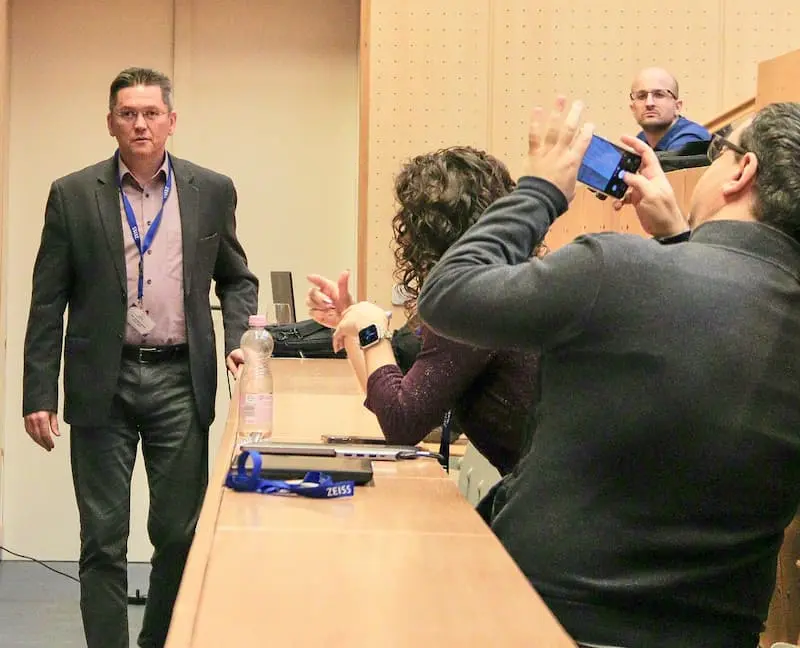
IEE 2026 Conference
Following the successful launch of IEE 2025 in Debrecen, the co-founders, Dr. Szilvia Homolya and Dr. Erika Rozgonyi (University of Miskolc, Faculty of Mechanical Engineering and Informatics), organized an outstanding international conference this year. IEE 2026 made a substantial contribution to the evolving body of knowledge in engineering education by fostering dialogue among researchers, educators, and industry experts across Europe.
“We launched the IEE conference series together with the University of Debrecen to maintain long-term professional dialogue between education and industry. Education requires continuous renewal, particularly in strategic areas such as artificial intelligence,” said Dr. Szilvia Árvai-Homolya, Vice Dean of the Faculty of Mechanical Engineering and Informatics, during the opening of the conference.
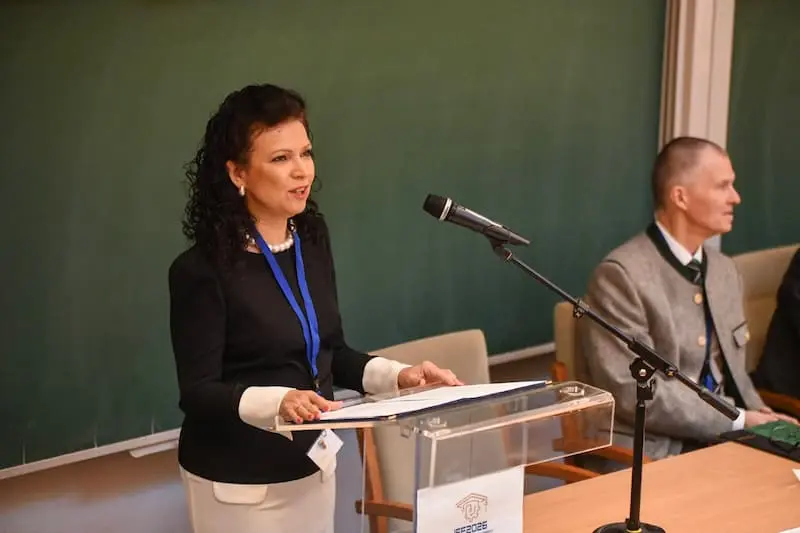
Prof. Dr. Péter Szűcs, Vice-Rector for Innovation and Science at the University of Miskolc, discussed the significance of AI and its integration into university strategy. László Kovács, Head of the Hatvany József Doctoral School at the University of Miskolc, outlined how approaches to technology in the sciences have evolved since the era of Hatvany József.
“Engineering and computer science education must keep pace with industry expectations. Methods that worked in the past no longer always provide the right solutions. The University of Miskolc places special emphasis on integrating the opportunities offered by artificial intelligence into our programs,” emphasized Prof. Dr. Zoltán Siménfalvi, Dean of the Faculty of Mechanical Engineering and Informatics.
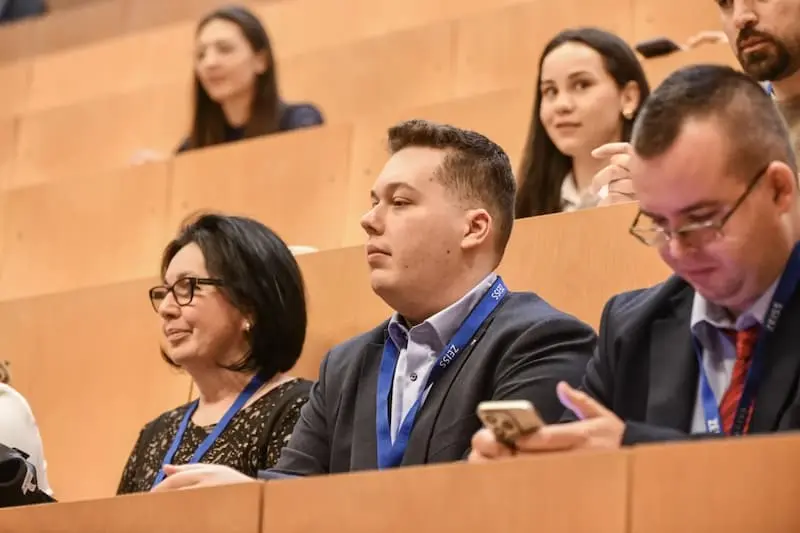
The conference focused on integrating AI into engineering education, developing digital and intelligent learning environments, and defining the competency expectations for future engineers. Over fifty educators, researchers, and industry professionals from Europe and Asia participated, sharing their experiences through lectures, panel discussions, and professional sessions.
Many lecturers and staff members of the Faculty of Engineering contributed to the success of the conference with their presentations, highlighting the faculty’s active role in advancing engineering education. Their involvement supports international knowledge exchange, methodological innovation, and strengthens the ongoing collaboration between the University of Debrecen and the University of Miskolc.
Cs.K.